


Participating in a tender means dealing with precise requirements, strict deadlines, and a large amount of information to organize. In this context, technical documentation for tenders plays a central role: it must clearly demonstrate how the company intends to tackle the project, what solutions it proposes, and how it responds to the requests contained in the tender documents. Therefore, possessing experience and expertise is not enough. It is necessary to be able to transform them into a structured, readable technical proposal that is consistent with the project's objectives. For construction companies and general contractors, relying on specialized design support can help develop the bid more effectively, coordinating drawings, technical solutions, and content within a common strategy.
Technical documentation for tenders: why it is so important
Every procedure has specific characteristics, but the technical proposal generally has the task of explaining in detail how the project will be carried out and which elements of the proposal can improve its quality, organization, and effectiveness. The documentation may include reports, technical drawings, diagrams, design detailing, schedules, and other content required by the tender documents. The fundamental point is to avoid considering these elements as independent documents. Texts, drawings, and representations must tell the same solution, using coherent information and highlighting the aspects that are truly relevant to the specific procedure. A technically valid but hard-to-read bid risks, in fact, not adequately communicating its value.
Analyzing the documentation before starting
Building an effective bid begins with an in-depth reading of the available documents. Before developing proposals or drawings, it is necessary to understand:
- The objectives of the intervention;
- The characteristics of the baseline project;
- The technical requirements;
- The criteria indicated in the procedure;
- The methods and limits for submitting the documentation;
- Any design or operational criticalities.
This phase makes it possible to determine which aspects to explore further and which content should take on greater importance. Proceeding directly to drafting reports without having built a strategy can lead to producing a lot of material without responding in a sufficiently targeted way to the tender's needs.
From reading the project to the technical strategy
Once the general framework is understood, the project can be analyzed from a technical and constructive point of view. The goal is to identify the elements that can be further detailed, optimized, or developed with greater precision. For example, needs related to discipline coordination, site setup, work organization, material selection, or the management of specific construction solutions may emerge. It is during this phase that design skills and execution experience must dialogue. Technical documentation for tenders thus becomes the result of design reasoning, not merely a writing exercise.
Technical report: clarity first and foremost
The report represents one of the main tools through which the proposal is explained. An effective document must be orderly, concise where necessary, and sufficiently detailed in the most important points. Each section should answer a specific question: what is the proposed solution? What problem does it address? How will it be implemented? What advantages does it introduce compared to the initial situation? Using a clear structure facilitates reading and makes the main content immediately recognizable. Graphs, diagrams, and images can also help make complex concepts more understandable, provided they are not purely decorative but genuinely functional to the explanation.
Graphic deliverables supporting the bid
In many cases, words alone are not enough. Floor plans, sections, details, diagrams, and three-dimensional representations allow the impact of a design solution to be communicated immediately. Technical drawings can be used to highlight a different spatial organization, a construction solution, an improvement in coordination, or a specific sequence of works. Their effectiveness, however, depends on the ability to select what is truly useful. A drawing full of information but poorly prioritized can be less effective than an essential drawing in which the main message is immediately understandable.
Detailed design and constructability
A convincing bid must also consider the concrete feasibility of the proposed solutions. For this reason, the support of detailed design can play a decisive role. Exploring details, clashes, and relationships between architecture, structures, and MEP systems in advance allows you to verify whether a proposal is truly compatible with the overall project. This approach also avoids solutions that are interesting on paper but difficult to manage in the operational phase. Experience in construction design makes it possible to approach the tender while always maintaining a direct connection between the proposal and the construction site.
BIM as support in tender preparation
For more complex contracts, the BIM methodology can become valuable support in developing the bid. Modeling makes it possible to read the project more completely, check geometries and relationships between disciplines, and produce representations useful for communicating solutions. The model can also be used to delve into aspects related to construction phases or to make complex interventions immediately understandable. The value of BIM, however, does not depend simply on the presence of a three-dimensional model. It must be used according to the concrete needs of the tender and the objectives of the technical proposal.
Consistency between report, drawings, and design solutions
One of the most important aspects in preparing the documentation is consistency. If the report describes a solution, the drawings must represent it correctly, and any further details must develop it without generating contradictions. This seems like a simple principle, but when multiple professionals work simultaneously on the bid, keeping all the content aligned can become complex. For this reason, it is useful to have central coordination that checks revisions, drawings, and document versions. A homogeneous proposal conveys greater clarity and makes it easier to understand the technical value of the work carried out.
Managing tight deadlines without losing quality
The preparation of a tender often takes place within strict deadlines, where numerous activities must proceed in parallel. Organizing responsibilities, internal delivery times, and priorities from the start prevents the final stages from turning into a rush to close documents. It is useful to establish a workflow in which analysis, solution development, drafting, and verification proceed in a coordinated manner. The final check is also crucial: content consistency, numbering, references, drawing quality, and compliance with the required formats must be verified before submission.
STRAstudio’s support for tenders
STRAstudio works alongside companies and professionals in the development of technical documentation for tenders, providing expertise in architectural and detailed design, as well as BIM. The support is tailored to the characteristics of the individual procedure and may involve the initial analysis of the documentation, the development of design solutions, the production of technical drawings, and the coordination of the various bid contents. The goal is to help the client transform their skills and experience into a clear, structured, and technically detailed proposal, always maintaining the connection between what is presented in the tender and what will actually have to be built. A good bid does not come from the quantity of documents produced, bu
Last news.

-
 10-09-2026
Technical documentation for tenders: how to build a competitive bid
Technical documentation for tenders: STRAstudio supports companies and professionals with reports, d
 Learn more
-
 21-08-2026
Designing a Single-Family Villa: From Initial Needs to Realization
Discover how the design of a single-family villa comes to life: from the needs analysis to the detai
Learn more -
 10-08-2026
Integrated Detailed Design: Coordinating Every Discipline Before Construction
Discover how integrated detailed design coordinates architecture, structures, and MEP systems, reduc
Learn more -
 10-07-2026
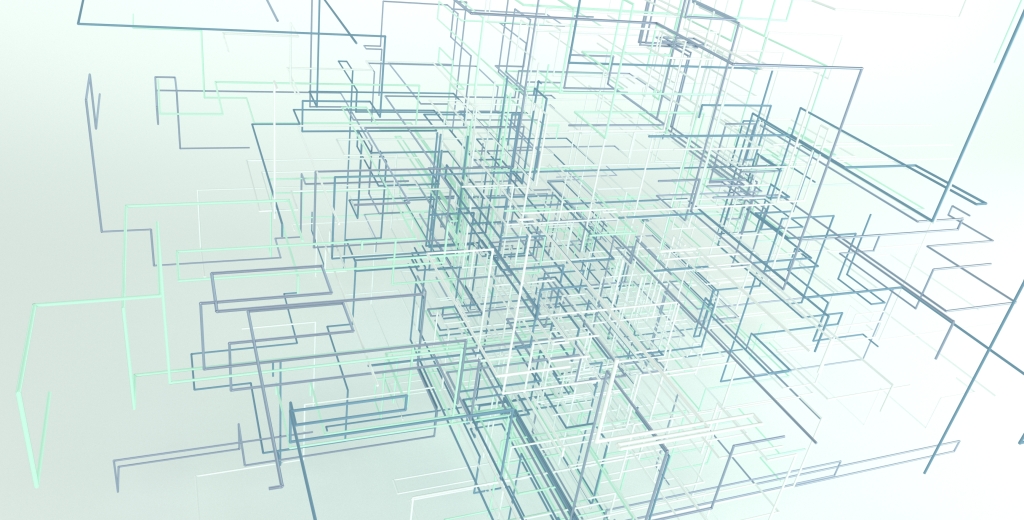
BIM and Revit: What Are the Differences and Why They Are Essential
Discover the differences and benefits of BIM and Revit to coordinate projects, reduce errors, optimi
Learn more -
 09-07-2026
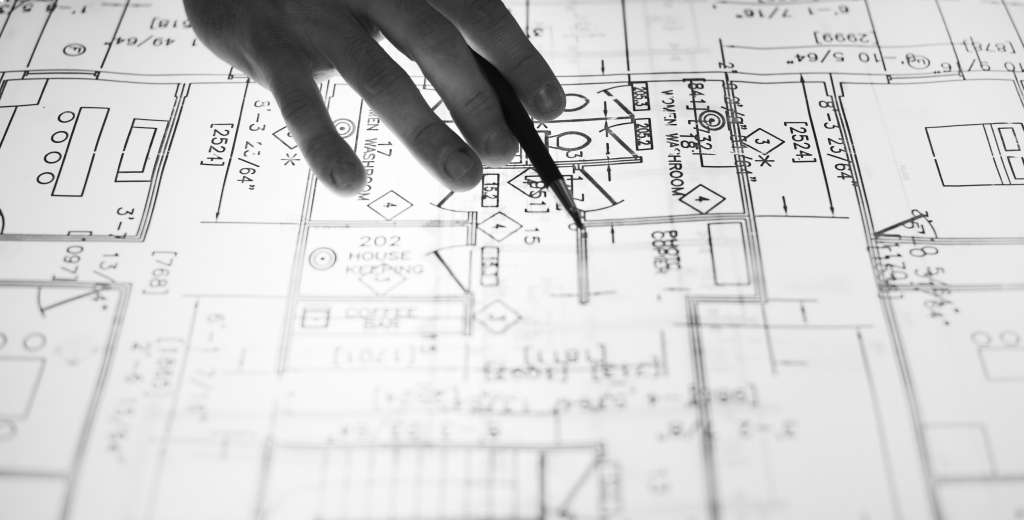
Architectural Design: All the Stages You Need to Know
Discover all the stages of architectural design, from analysis to the construction site, and how STR
Learn more -
 01-12-2024
Construction Site Health & Safety: The Role of Safety Coordination
Construction site: planning, training, and coordination to ensure a safe work environment.
Learn more -
 01-12-2024
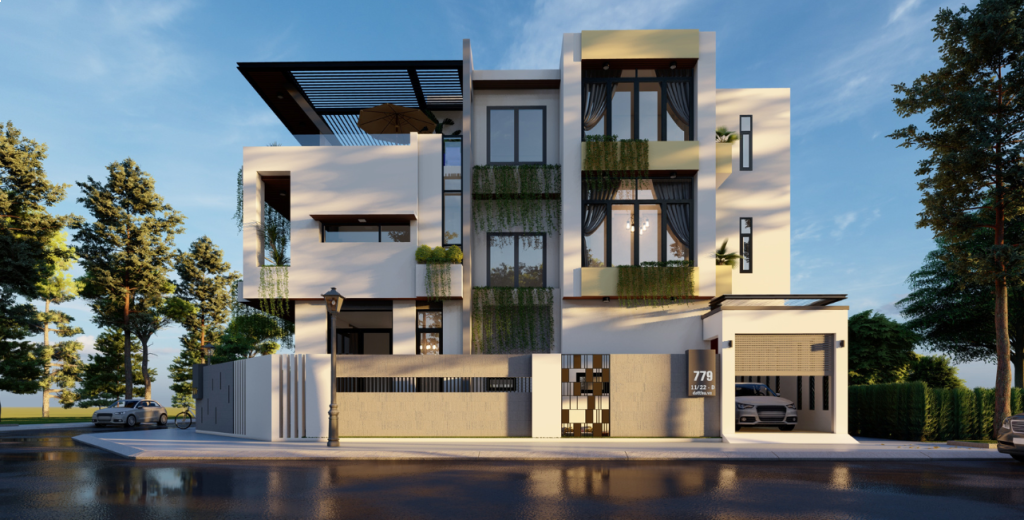
Feasibility Studies and Building Permits: Where to Start Building Your Home
Get building permits for your new home. Learn the basic steps to build safely.
Learn more -
 01-12-2024
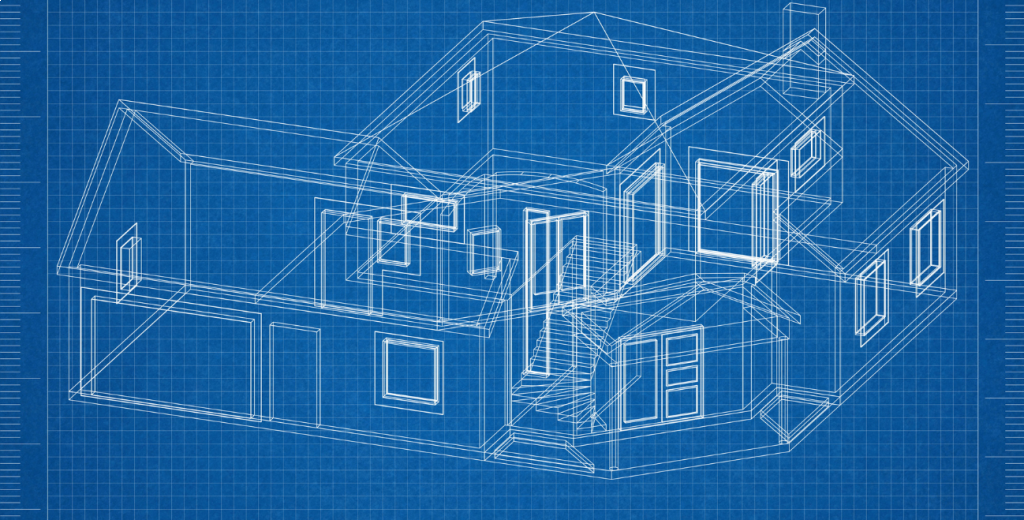
Technical-Economic Assessment: Make Informed Decisions to Renovate Your Home
We provide detailed analysis for renovations, purchases, and energy efficiency improvements.
Learn more -
 01-12-2024
BIM Design for Businesses: Invest in Project Digitalisation
BIM design for businesses can improve project efficiency, coordination, and management
Learn more

