


In the construction industry, working in BIM does not merely mean knowing modeling software. It means knowing how to manage information, workflows, responsibilities, and coordination across different disciplines. For this very reason, BIM certifications can be a useful tool to make professional skills recognizable, which would otherwise be more difficult to evaluate. For architectural firms, engineering companies, and construction companies, relying on certified professionals can help structure work better, clarify roles within projects, and present verifiable skills to the market. But what do these qualifications actually certify? And what value can they have for a company?
What BIM certifications are
BIM certifications concern the skills of professionals involved in management and information modeling. In Italy, the currently applicable UNI 11337-7:2018 standard defines the knowledge, skill, and competence requirements of the main professional figures operating in BIM processes. The UNI/PdR 78:2020 instead provides applicative guidelines for the assessment and certification of these roles. It is important to emphasize one aspect: professional BIM certification is voluntary, thus it does not automatically represent a mandatory requirement for anyone using this methodology. It can, however, become a distinguishing factor when a client, a tender procedure, or an organization requires formally demonstrable skills.
The main BIM professional roles
The Italian standard identifies four main profiles, each with different responsibilities. The BIM Specialist is the figure most involved in the modeling and operational management of information models. They use specific tools, such as Revit, depending on their specific discipline and the project's needs. The BIM Coordinator coordinates the activities of various specialists and verifies that models and information are consistent with the procedures established for the project. The BIM Manager operates at a more strategic and organizational level, defining BIM processes, standards, and management methods within the organization or project. Finally, the CDE Manager is linked to the management of the Common Data Environment (CDE) and the related information flows. This distinction is important because it allows design firms and contractors to assign clearer responsibilities, avoiding generically lumping all activities under the definition of "BIM expert."
Why a BIM certification can be useful to a professional
Knowing Revit or another software program does not automatically equate to having comprehensive skills in managing a BIM process. The certification aims to evaluate knowledge, operational capabilities, and experience regarding a specific professional profile. Accredia indicates that certifications conforming to UNI 11337-7 are issued by personnel certification bodies accredited according to ISO/IEC 17024 and also include surveillance and renewal mechanisms. For the professional, therefore, certification can help make their level of specialization more easily recognizable. However, it does not replace field experience. The ability to tackle a complex project, coordinate disciplines, and solve design problems continues to depend on the quality of work carried out on real projects.
The value of BIM certifications for a design firm
For an architectural or engineering firm, having BIM professionals with defined roles and skills can primarily improve internal organization. In a complex project, it is necessary to know who develops the models, who verifies the coordination, who establishes the standards, and who oversees the proper management of information. A clear structure helps reduce overlaps and misunderstandings. Furthermore, BIM certifications can help communicate the presence of specialized skills within the firm to clients and partners. Both UNI and Accredia highlight the opportunity for organizations to reference professionals whose skills have been evaluated according to shared criteria.
Why they are interesting for construction companies
Even for a construction company, BIM does not necessarily mean directly producing all the models. The methodology can be used to check received documentation, coordinate different disciplines, perform clash detection, and support the construction phases. Having structured BIM skills within the team can therefore facilitate dialogue with designers, general contractors, and clients. Consider, for example, a project where architecture, structures, and MEP systems must be coordinated. Properly understanding the models and information processes allows the company to identify potential criticalities more quickly and to use the design information more effectively.
BIM certifications and tenders
The topic becomes particularly relevant when participating in tenders or contracts where specific professional skills are required. Not all procedures have the same requirements, and it is incorrect to consider a BIM certification universally mandatory. However, when tender documents demand certain profiles, experiences, or methods for demonstrating skills, having qualified professionals can help structure the technical bid. For this reason, before participating in a tender, it is always necessary to carefully analyze specifications and documentation to verify which requirements are actually demanded.
BIM certification and training are not the same thing
Another common mistake is confusing a training course with a professional certification. A training path serves to acquire or improve skills. Certification, on the other hand, involves an assessment against the requirements set for a specific profile. The two activities can naturally be complementary. A professional might attend Revit training, deepen BIM procedures through project experience, and subsequently decide to submit their skills to a certification process. For a company, this means that the growth strategy should not be limited to "certifying staff," but should start from building skills that are actually usable on projects.
Certification alone is not enough
Having certified personnel does not automatically make a BIM process effective. Consistent procedures, properly organized models, adequate tools, and above all, a shared method by the working group are required. A highly competent BIM Specialist, for instance, might encounter difficulties if the information received is not structured or if project responsibilities are undefined. Similarly, introducing Revit without rethinking processes can merely translate into using new software according to traditional working methods. True value emerges when skills, technology, and organization are integrated.
How to understand which BIM skills are truly needed
Not all companies need the same structure. A firm that directly produces architectural models will have different needs compared to a contractor that uses BIM primarily to coordinate projects received from third parties. Before investing in training or certifications, it is therefore useful to ask which activities are performed internally, which are outsourced, and what skills will be needed in upcoming projects. In some cases, it may be strategic to train a BIM Specialist. In others, the main need may relate to coordination, workflow organization, or process supervision. Starting from real objectives prevents the certification from becoming just a title to add to a resume.
STRAstudio: BIM skills applied to real projects
For STRAstudio, BIM is first and foremost an operational tool. The studio supports contractors and professionals in modeling, coordination, detailed design, consulting, and Revit training activities, tailoring the method to the characteristics of the individual project. Project experience and specialized skills make it possible to approach BIM not as a formal obligation, but as a method to better organize information and improve coordination among the involved parties. BIM certifications can therefore represent an important qualification element, but their value is greatest when accompanied by the ability to concretely apply knowledge and procedures to projects, construction sites, and company workflows.
Last news.

-
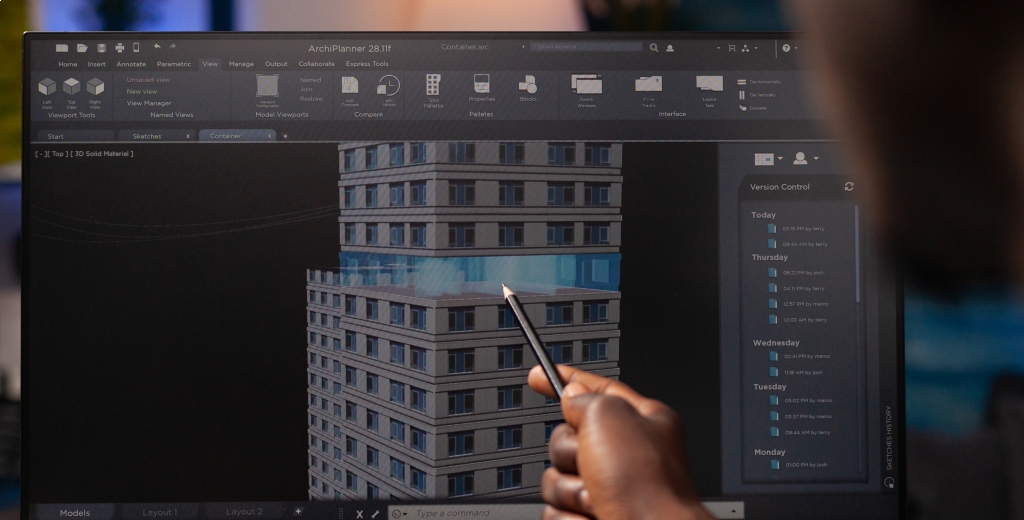 20-10-2026
BIM Certifications: The Value They Bring to Design Firms and Contractors
Discover the value of BIM certifications for design firms and contractors: recognizable skills, defi
 Learn more

-
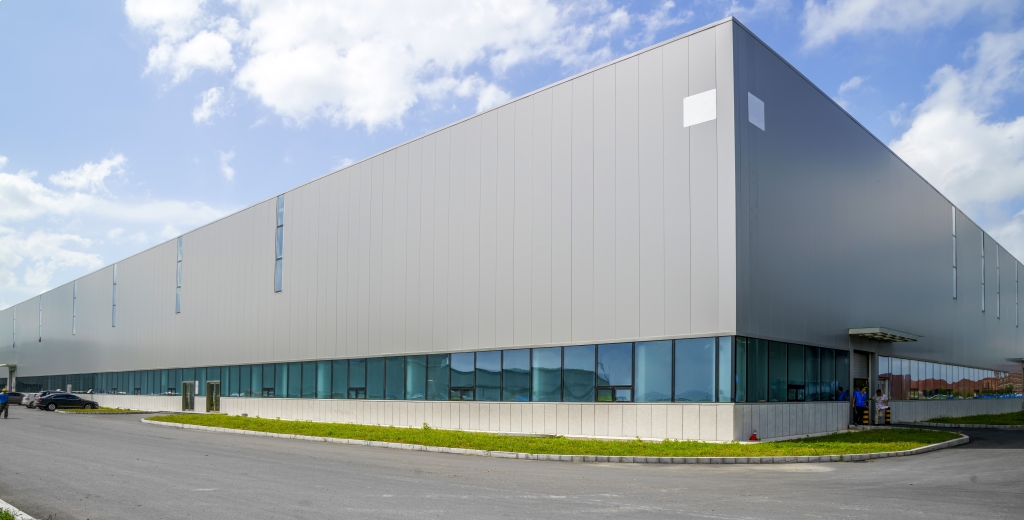 10-10-2026
Converting a Warehouse into Offices: Feasibility, Design, and Permits
Want to convert a warehouse into offices? Discover the feasibility, design, systems, and authorizati
Learn more -
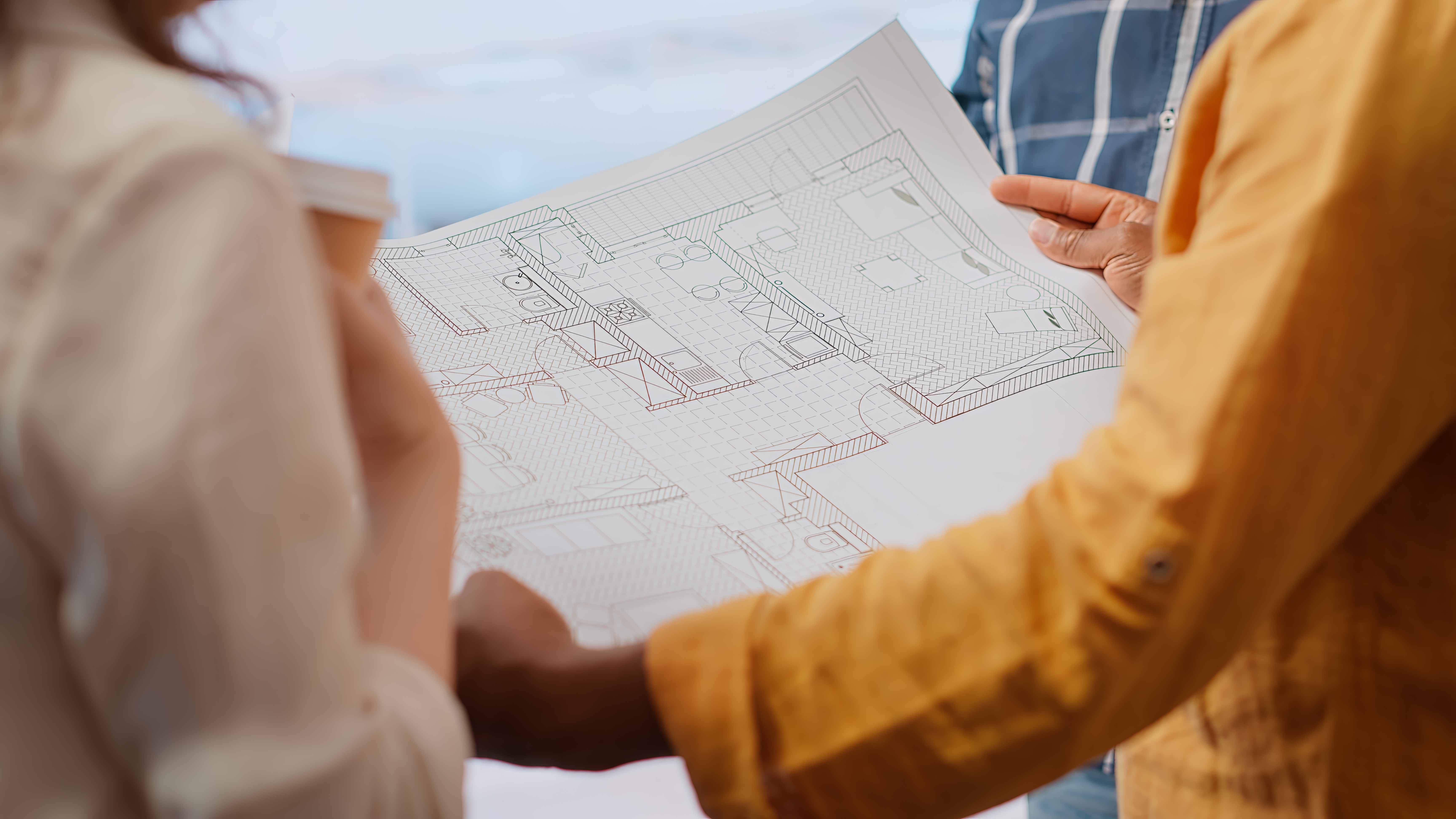 20-09-2026
New home interior design: defining spaces before construction begins
Discover how the interior design of a new home defines spaces, furniture, lighting.
Learn more -
 10-09-2026
Technical documentation for tenders: how to build a competitive bid
Technical documentation for tenders: STRAstudio supports companies and professionals with reports, d
Learn more -
 21-08-2026
Designing a Single-Family Villa: From Initial Needs to Realization
Discover how the design of a single-family villa comes to life: from the needs analysis to the detai
Learn more -
 10-08-2026
Integrated Detailed Design: Coordinating Every Discipline Before Construction
Discover how integrated detailed design coordinates architecture, structures, and MEP systems, reduc
Learn more -
 10-07-2026
BIM and Revit: What Are the Differences and Why They Are Essential
Discover the differences and benefits of BIM and Revit to coordinate projects, reduce errors, optimi
Learn more -
 09-07-2026
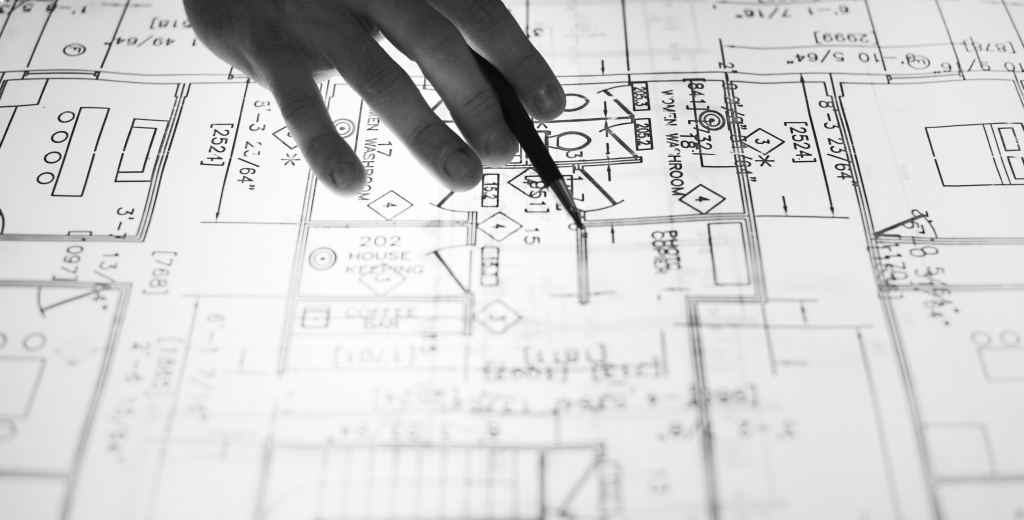
Architectural Design: All the Stages You Need to Know
Discover all the stages of architectural design, from analysis to the construction site, and how STR
Learn more -
 01-12-2024
Construction Site Health & Safety: The Role of Safety Coordination
Construction site: planning, training, and coordination to ensure a safe work environment.
Learn more -
 01-12-2024
Feasibility Studies and Building Permits: Where to Start Building Your Home
Get building permits for your new home. Learn the basic steps to build safely.
Learn more -
 01-12-2024
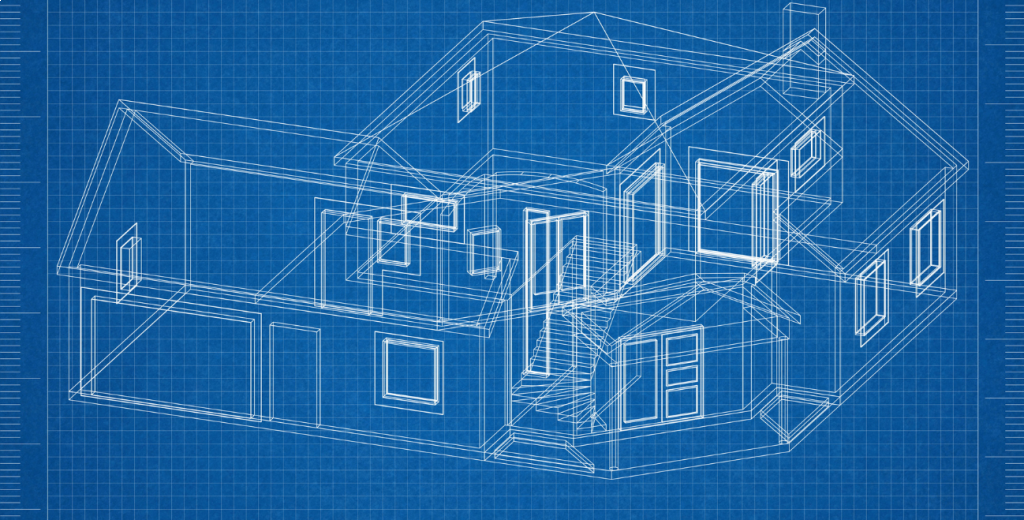
Technical-Economic Assessment: Make Informed Decisions to Renovate Your Home
We provide detailed analysis for renovations, purchases, and energy efficiency improvements.
Learn more -
 01-12-2024
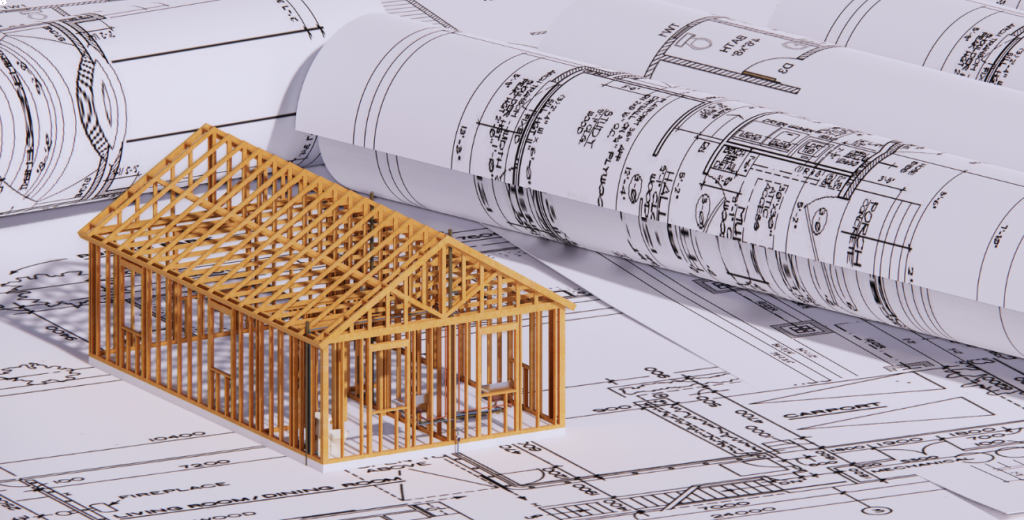
BIM Design for Businesses: Invest in Project Digitalisation
BIM design for businesses can improve project efficiency, coordination, and management
Learn more

